

Dr Jo Hedesan
University of Oxford
Gut Feelings: Jan Baptist Van Helmont’s Archeus and the Intelligence of the Body
Please register for the event here.
When:
Wednesday, May 6, 14:00-15:30
Where:
VUB Main Campus Etterbeek
Pleinlaan 2
1050 Elsene
Raadzaal C2.07a
*Free of charge*
The Vrije Universiteit Brussel invites you to a lecture by Dr Jo Hedesan (University of Oxford), entitled “Gut Feelings: Jan Baptist Van Helmont’s Archeus and the Intelligence of the Body “. This lecture is part of the ERC lecture series ‘Knowledge in International Perspective’ (KIIP).
Contact: nicolo.cantoni@vub.be and demetrios.paraschos@vub.be
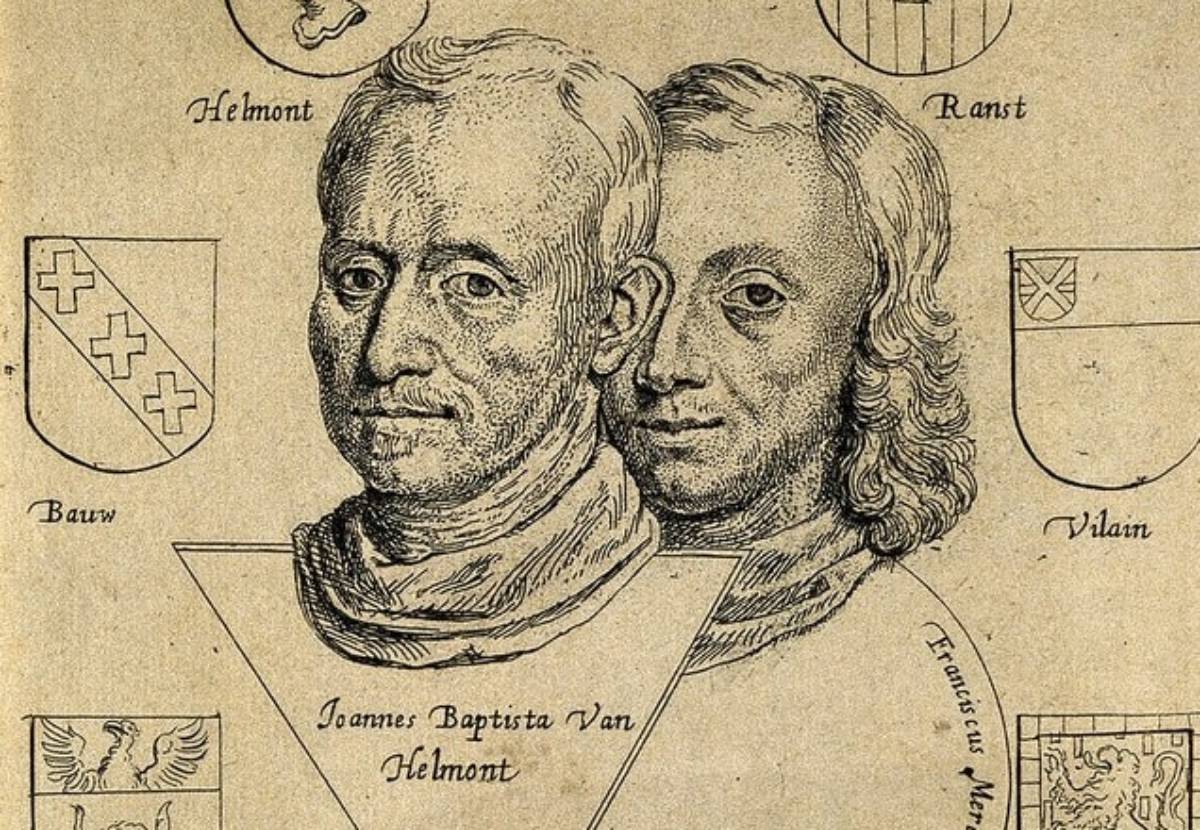
Dr Jo Hedesan: This presentation examines the concept of the Archeus in the works of the Flemish physician and philosopher Jan Baptist Van Helmont (1579–1644), situating it within the broader tradition of Paracelsianism and early modern natural philosophy. The Archeus, a vital spirit governing the body’s functions, was inherited by Van Helmont from Theophrastus von Hohenheim, called Paracelsus (1493-1544), but transformed into a far more central and sophisticated concept. Drawing on computational analysis of Van Helmont’s Opuscula medicinae inauditae (1644) and the posthumous Ortus medicinae (1648), the paper traces the term’s remarkable frequency and conceptual density in his corpus, showing how it eclipses its use in Paracelsus. Van Helmont’s Archeus is conceived as a liminal being at the boundary of matter and spirit, carrying within it a seminal idea (a concept drawn on Platonic sources, but reframed as blueprint or design) that governs the formation and functioning of the living body. The paper explores two of its central roles: the generation of new life, and the governance of health and disease, the latter located not in the brain but in the digestive tract. In doing so, it reveals Van Helmont’s strikingly original contribution to early modern theories of vital agency and invites reflection on the resonance between his gut-centred philosophy and contemporary research into the gut-brain axis.
About Dr Jo Hedeson
Georgiana (Jo) Hedesan is a Departmental Lecturer in History of Science at the University of Oxford, specialising in the history of alchemy and alchemical medicine, now viewed through the lens of the digital turn in the humanities. Her first book, An Alchemical Quest for Universal Knowledge: The ‘Christian Philosophy’ of Jan Baptist Van Helmont (1579-1644) was published in 2016 by Routledge. A co-edited book (with Tim Rudbøg, Copenhagen), Innovation in Esotericism from the Renaissance to the Present, was published in 2021 by Palgrave Macmillan. She is also preparing a book on immortality and another on the alchemical pursuit for the radical extension of life. She has many interests and passions that she tries to combine in her work and give space for: writing, playing and composing music, philosophy, impromptu art, teaching, and IT computing. She completed her PhD in History at the University of Exeter in 2012, holds two Masters degrees (Western Esotericism, Exeter and Project Management, Leeds), as well as two BAs in History and Economics, with a minor in Management Information Systems (University of Nevada).